
Digital Twins can act as a query engine for GEO, Generative Engine Optimization, by revealing how real audience segments actually describe, search for, and ask AI assistants about your category. GEO is the emerging discipline of getting your brand cited and recommended inside AI answers, the way SEO does for search results. Winning at it depends on one thing above all: understanding the real questions people ask. A synthetic audience grounded in real data is a fast way to generate those questions at scale, before you optimize a single page.
This guide explains how the two connect, and where Digital Twins fit alongside dedicated AI-visibility tools. It builds on the Synthetic Audience MCP Server pillar.
What GEO and AI Search Visibility Are
As people increasingly ask AI assistants instead of typing keywords into a search box, being visible now means being surfaced inside an AI answer, not just ranking on a results page. This is why market research is shifting toward AI-connected, grounded approaches in the first place[1], a bigger story covered in Market shift to MCP. GEO is the practice of optimizing for that new surface: the questions, phrasings, and comparisons real people put to an AI assistant.
What this means for your team: the unit of visibility is shifting from the keyword to the question, and the question is what a synthetic audience is good at generating.
How a Synthetic Audience Helps
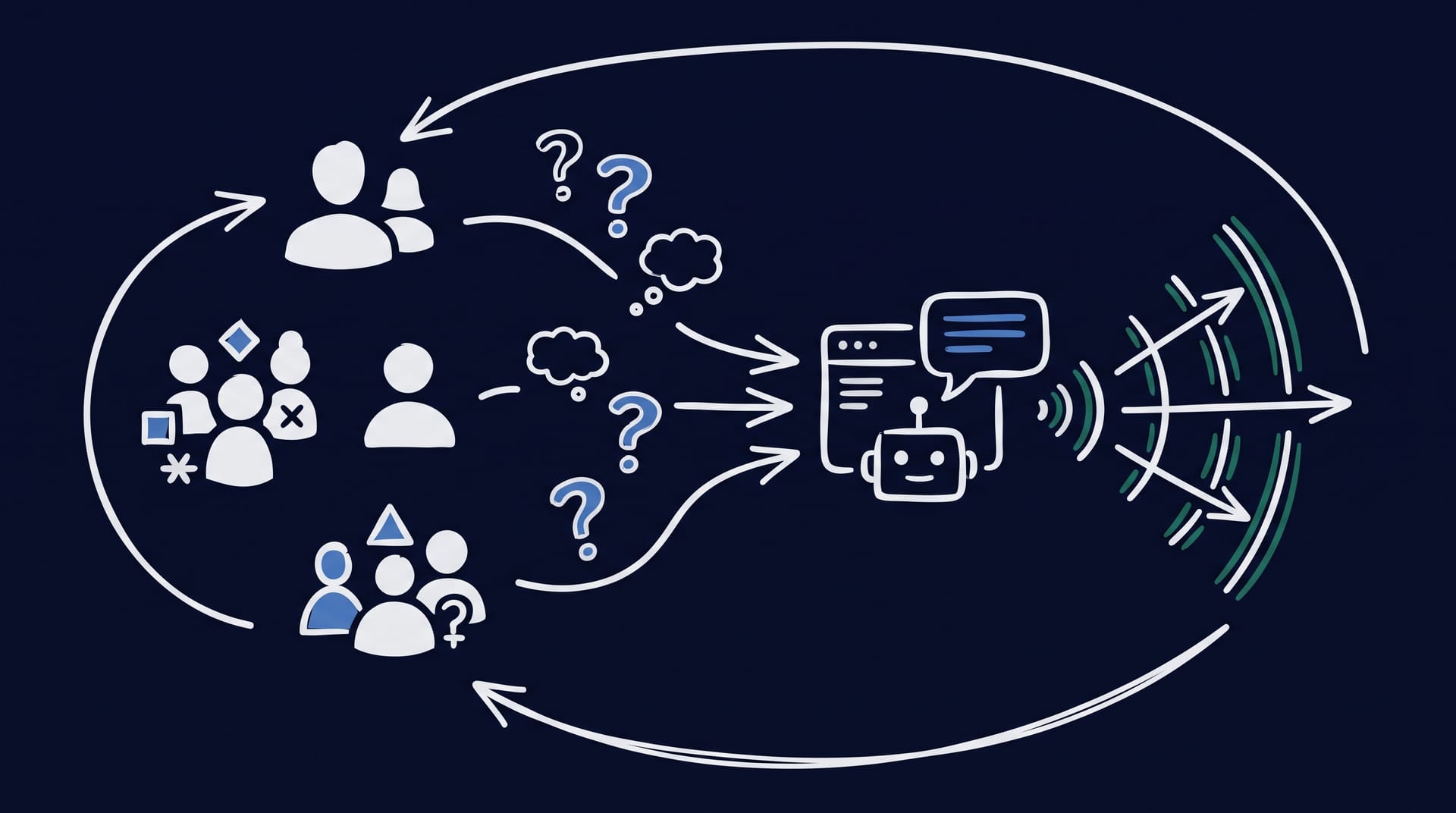
The hard part of GEO is knowing what real audience segments actually ask, and how they phrase it. A generic guess produces generic optimization. A synthetic audience grounded in real data can generate the realistic questions a specific segment would put to an assistant: how they describe the problem, which alternatives they name, what they compare on, and what objections they raise.
Pointed at that job, Digital Twins become a query engine: you ask them to produce the questions your audience would ask, and you optimize your content, positioning, and answers around those real phrasings rather than assumptions. Because grounded synthetic audiences are strong on exactly this kind of attitudinal, language-level question[2], it is a natural fit.
What this means for your team: use the synthetic audience to discover the questions first, then optimize for them, instead of guessing which phrasings matter.
Where It Fits Alongside GEO Tools
Digital Twins are not a rank tracker for AI answers. Dedicated AI-visibility tools like Profound, Peec AI, and Rankscale measure how often and where a brand shows up in AI responses. Those tools tell you your current visibility. A synthetic audience tells you what your audience is actually asking and how they frame it, which is the input you need to improve that visibility.
The two are complementary. Use a visibility tracker to measure where you stand, and Digital Twins to understand the audience questions you should be optimizing to win. For finding the right connectors across this space, see the Best MCP Servers for Marketing / Market Research roundup.
What this means for your team: measurement and audience understanding are two different jobs, and you want both.
How neuroflash Digital Twins Power the Query Engine
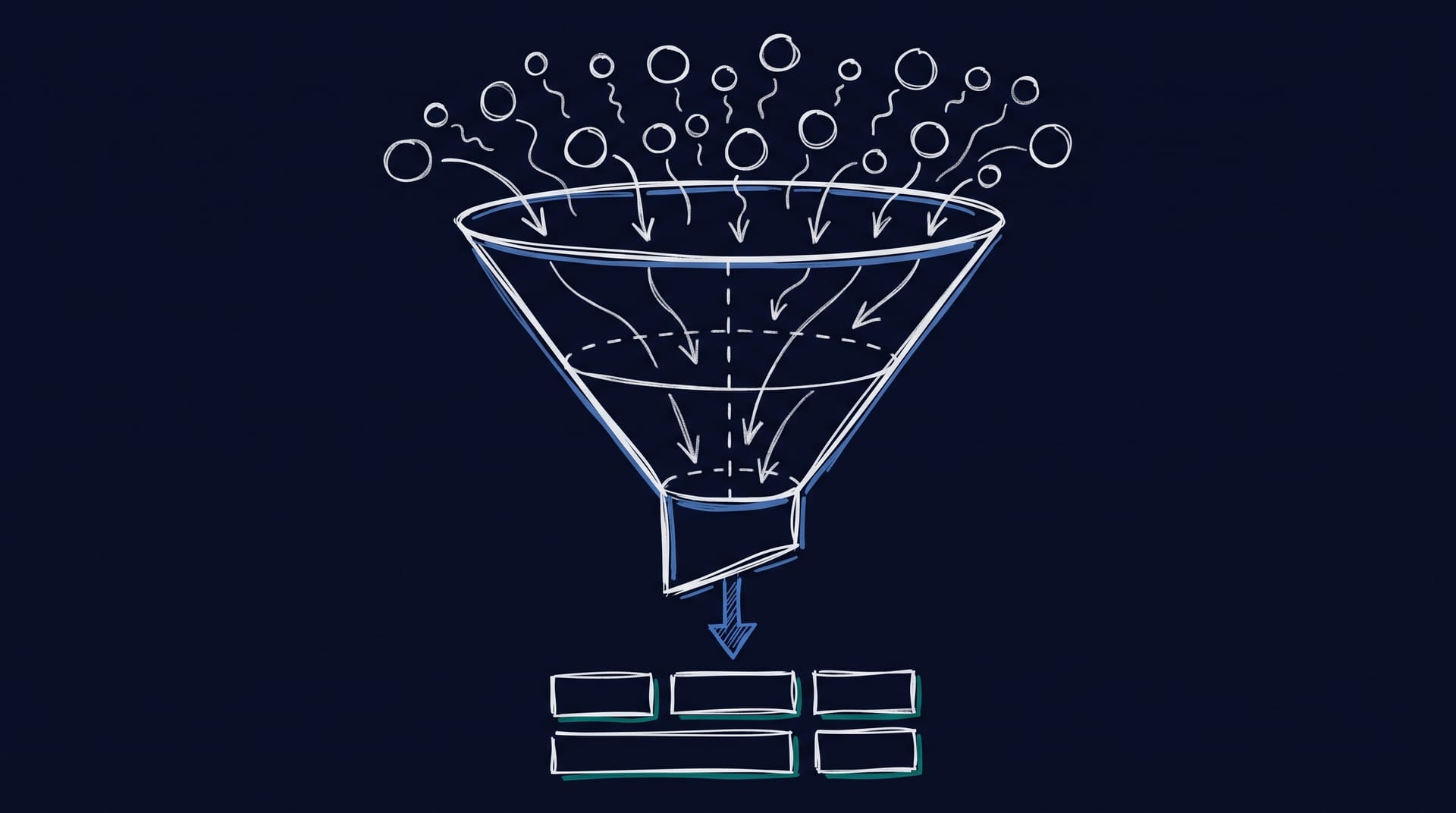
The questions are only useful if they reflect real people. neuroflash Digital Twins are audience profiles built on more than 1,000,000 real human survey profiles, not a generic model improvising. That grounding is what lets neuroflash reach 80 to 90% prediction accuracy on audience response testing, versus roughly 55% for generic AI without real data.
The principle is simple: we predict, we don’t guess. Every response traces back to real profile data, which gives teams Decision Security about the questions and framings they optimize around. Results come back in minutes, neuroflash is made in Germany, GDPR compliant, and hosted with EU data residency, and Digital Twins are reachable through the API, the app, and MCP.
Use Digital Twins to Sharpen Your AI Search Visibility
neuroflash lets you query grounded Digital Twins to surface the real questions your audience asks, so your GEO and AI-search-visibility work targets the phrasings that actually matter. The fastest start is to ask a segment what it would ask an assistant about your category.

FAQ
What is GEO?
GEO, or Generative Engine Optimization, is the practice of getting your brand surfaced, cited, and recommended inside AI assistant answers, the way SEO targets search results.
How do Digital Twins help with AI search visibility?
They generate the realistic questions and phrasings a specific audience segment would put to an AI assistant, so you can optimize your content and positioning around what people actually ask rather than assumptions.
Are Digital Twins a replacement for AI-visibility trackers?
No. Trackers like Profound, Peec AI, and Rankscale measure where you appear in AI answers. Digital Twins tell you what your audience asks, which is the input for improving that visibility. The two are complementary.
Why does grounding matter here?
Because generic guesses produce generic optimization. neuroflash Digital Twins are calibrated against more than 1,000,000 real human survey profiles, so the questions reflect real audiences.
Can I access this via API?
Yes. Digital Twins are reachable through the API, the app, and an MCP server for AI assistants.
Bottom Line
GEO rewards the teams who understand the real questions people ask AI, and that understanding is exactly what a grounded synthetic audience can produce on demand. Digital Twins do not measure your AI visibility, they hand you the audience questions to optimize around, which is the harder half of the job. Pair them with a visibility tracker, aim them at how your segments actually phrase things, and you optimize for the questions that are really being asked rather than the ones you assumed.
Sources
[1] Anthropic (2024): “Introducing the Model Context Protocol.” https://www.anthropic.com/news/model-context-protocol
[2] Argyle, L.P., Busby, E.C., Fulda, N., Gubler, J.R., Rytting, C., Wingate, D. (2023): “Out of One, Many: Using Language Models to Simulate Human Samples.” Political Analysis. https://arxiv.org/abs/2209.06899
[3] Bain & Company (2025): “Synthetic Customers Earn Their Stripes.” https://www.bain.com/insights/synthetic-customers-earn-their-stripes/
[4] The Alchemic (2026): “67 Market Research Statistics for 2026: AI, Growth & Trends.” https://thealchemic.com/blog/market-research-statistics/